Infinity Ward made its position unmistakable in July 2020: cheating in Call of Duty: Warzone and Modern Warfare would not be tolerated. The studio’s public message named third-party software such as hex editors, aimbots, wallhacks, and stats hacks as prohibited tools, and it warned that players caught using them would face bans. The statement arrived when Warzone’s free-to-play popularity had turned every lobby into a volatile mix of casual players, streamers, and determined rule-breakers. For many observers, the post was less a technical blueprint than a line in the sand—a clear signal that the developers were watching and that account access was not a guarantee.
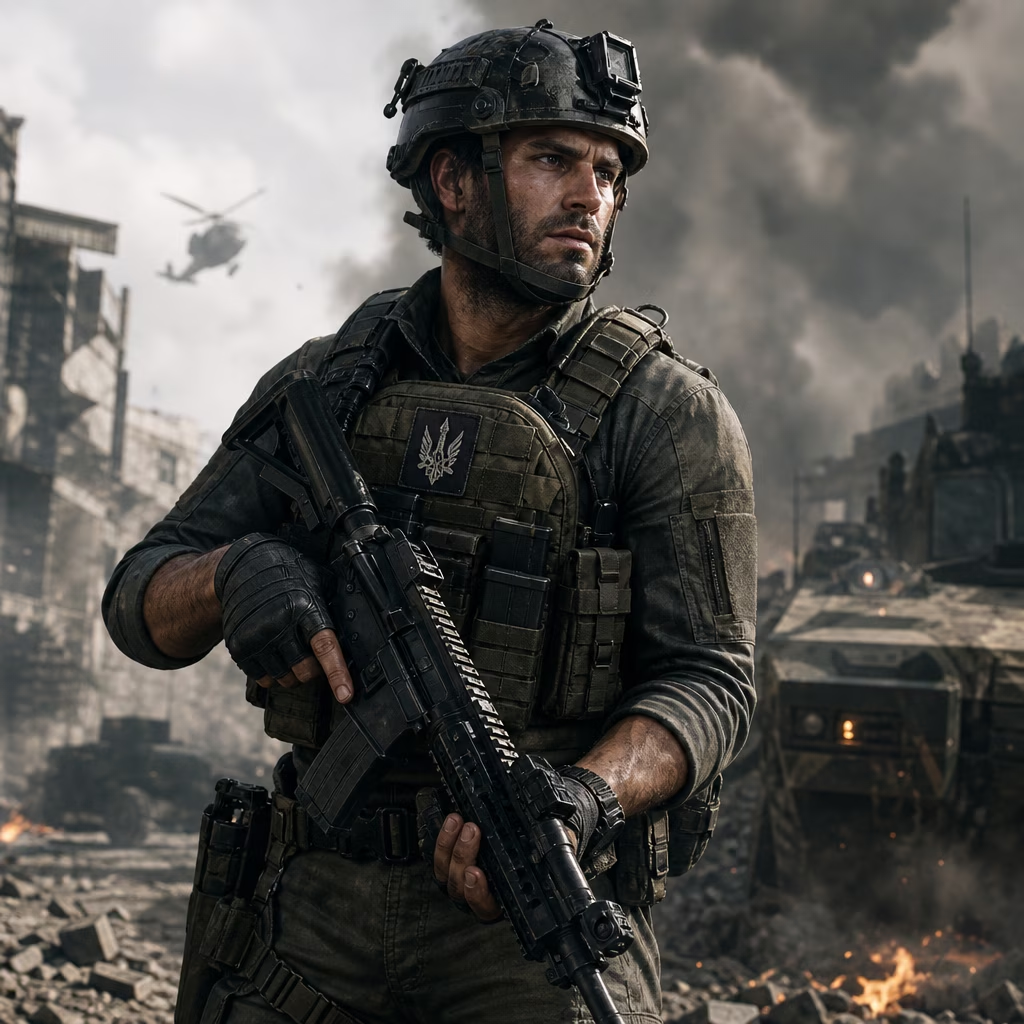
The wording was broad but practical. Infinity Ward did not present the message as a temporary warning or a seasonal reminder. It framed cheating as a category of behavior with consequences, and it grouped several familiar forms of abuse under the same enforcement umbrella. Aimbots and wallhacks were the obvious targets. Hex editors and stats hacks pointed to a less visible problem: players who tried to alter game data or inflate their records rather than simply outplay opponents. The studio’s conclusion was direct. Those caught cheating would be banned.
| Category | Examples named by Infinity Ward | Stated outcome |
|---|---|---|
| Third-party tools | Hex editors, aimbots, wallhacks | Bans for cheaters |
| Data manipulation | Stats hacks | Bans for cheaters |
🎯 A warning with a wide net
The message resonated because Warzone’s design made cheating feel especially damaging. A single suspicious player could distort a match for dozens of others, and the free-to-play model lowered the barrier for repeat offenders. Infinity Ward’s statement did not describe a new detection system or a detailed ban timeline, but it did establish a public standard. Cheating was not a gray area. It was a violation. For a community already trading clips of impossible shots and suspicious tracking, the post gave developers a clear public stance to point toward.
🗺️ Season 5 teasers and Verdansk speculation
In other Call of Duty Warzone and Modern Warfare news, a cluster of teasers surfaced online and hinted at a massive change in Verdansk for Season 5. The clues did not amount to a full reveal, but they were enough to stir speculation about the map’s future. The official Call of Duty Instagram account also posted a picture of Sgt. Frank Woods from Black Ops, which added fuel to theories about a crossover or a narrative connection. None of those teases confirmed a specific outcome, yet they arrived at a moment when players were already primed to read every image and caption as a clue.
📱 The COD Mobile correction
A separate story required a correction. A 10-minute clip circulated online and was framed as potential Warzone gameplay for Call of Duty Mobile. Activision later clarified that the footage was not Warzone. It was the standard Battle Royale mode in COD Mobile. The distinction mattered because the clip had been presented as evidence of something larger, and the correction prevented a misunderstanding from hardening into a false expectation. The publication that shared the clip amended its post and relayed Infinity Ward’s announcement instead. The episode was a reminder that leaks and teasers can travel faster than verification.
🛡️ Why the 2020 message still matters in 2026
By 2026, the anti-cheat landscape around Warzone has changed. Modern enforcement is associated with RICOCHET Anti-Cheat, server-side monitoring, and recurring ban updates, but the 2020 statement remains a useful historical marker. It shows how early the studio was willing to speak publicly about third-party software and stats manipulation. The specific tools named then—hex editors, aimbots, wallhacks, stats hacks—still serve as shorthand for categories of abuse that continue to trouble online shooters. The message also captured a tension that has not disappeared: free-to-play access expands the audience, and a larger audience creates more opportunities for rule-breaking.
For players, the takeaway is simple. Cheating is not a victimless shortcut. It damages matches, undermines trust, and invites enforcement. Infinity Ward’s 2020 post did not end the problem, but it made the studio’s position clear. That clarity is why the message is still worth remembering in 2026, even as the tools and defenses around Warzone continue to evolve. 🚫